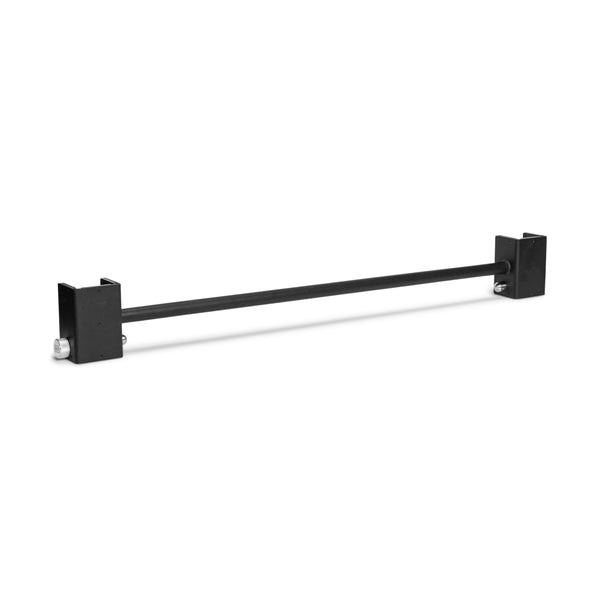
Building a home gym often starts with a solid power rack. Over time, needs change. More attachments show up, storage becomes a priority, and suddenly space feels tighter than expected. This is where Rack Junctions step in as a simple but clever solution.
These compact add-ons make it easier to expand a rack or storage setup without committing to bulky uprights or fixed, awkward extensions.
Rack Junctions offer a modular approach that keeps layouts flexible, costs reasonable, and creativity wide open. Whether the goal is adding a cable attachment, extending a pull-up area, or improving storage, these small pieces can make a big difference.
What Are Rack Junctions?
Rack junctions are short sections of 3x3 steel uprights designed to connect crossmembers to power racks or storage systems. They use standard keyhole mounting, which allows quick attachment and plenty of adjustability.
Instead of relying on long L-shaped crossmembers or full uprights, rack junctions break the connection into smaller, more manageable parts. This makes them easier to ship, easier to install, and easier to customize.
There are two common styles that serve slightly different purposes.

Box Junctions
A box rack connection is a short, closed-end upright section. It uses standard keyhole mounting and works well for lighter extensions or upper connection points.
This style keeps setups compact and clean while still allowing strong attachment to crossmembers.
Stand Junctions
A stand rack connection is taller and includes a foot plate at the bottom. This added base improves stability and allows mounting directly to the front face of an upright.
The foot plate makes this option better for heavier attachments or setups that extend outward from the rack.
Why Modular Rack Junctions Matter
Traditional rack extensions often lock users into a fixed size or shape. Rack junctions flip that idea on its head by allowing custom lengths, heights, and layouts.
Easier Shipping and Lower Costs
Long steel pieces cost more to ship and store. Smaller junctions ship more easily and reduce overall cost. That savings can go toward better attachments or flooring instead.
Adjustable Lengths That Fit the Space
Any compatible crossmember length can be paired with junctions. This allows the setup to fit the room instead of forcing the room to fit the equipment.
Tight corners, narrow garages, and shared spaces become much easier to work with.
More Ways to Configure Attachments
Different keyhole orientations and the option to mount right-side up or upside down allow fine tuning of height and reach. This helps when mixing short and long crossmembers or stacking accessories at different levels.
Key Specs and Design Details
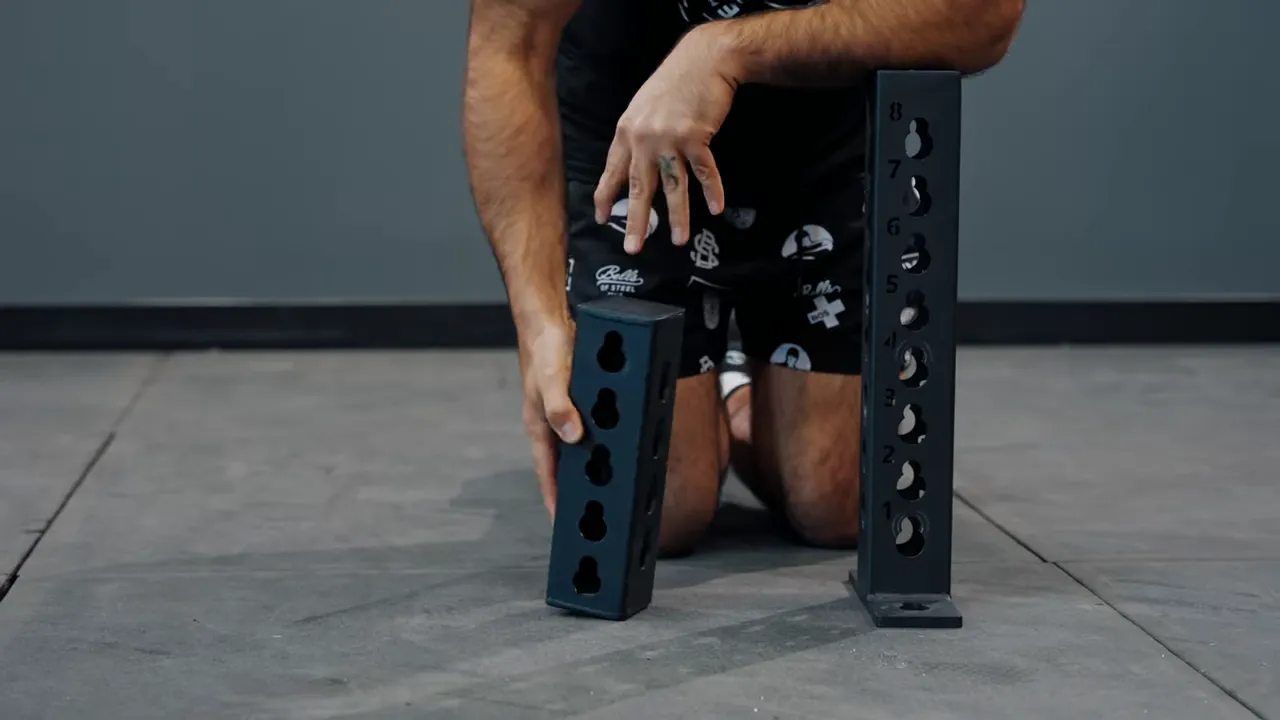
Rack junctions use standard keyhole patterns found on many modern racks. The stand version adds a keyhole on the foot plate itself, allowing it to bolt directly to the face of an upright.
This extra contact point increases stability and opens the door to more mounting options.
A short crossmember can pair with a long one, or accessories can sit higher or lower based on training needs.
Practical Ways to Use Rack Junctions

Rack junctions shine when put to work in real setups. Here are several practical and popular ways they are used in home gyms.
Extending a Cable System
One common use is extending a cable attachment off the side of a rack or storage upright.
By pairing a box junction at the top with a stand junction at the bottom, the attachment gains both reach and stability.
Stability in Action
When set up correctly with a stand junction, even moderate weight shows minimal sway. This gives confidence that the setup can handle typical accessory work without feeling flimsy.
Creating Pull-Up Extensions
Rack junctions can extend pull-up bars outward from the rack.
The rack should be bolted to the floor or built as a heavy, multi-post frame to maintain stability.
Temporary Bar and Attachment Mounting
Rack Junctions can help create temporary bars or mounting points using spare parts. These setups work well for testing new movements or one-off training ideas.
Custom Storage and Shelving
Rack junctions work well with storage components like bumper plate shelves, accessory trays, or vertical storage add-ons.
Shelves can be placed at different heights and distances, making it easier to organize plates, kettlebells, or smaller tools.
Things to Consider Before Adding Junctions
- Measure carefully and choose crossmember lengths based on available space.
- Heavier attachments benefit from stand junctions and a secured rack.
- Confirm compatibility with your rack system before purchasing.
Why Rack Junctions Are a Smart Upgrade
Rack junctions offer a practical middle ground between basic setups and full custom builds. They save space, reduce costs, and encourage creativity.
This makes them especially appealing for garage gyms, shared spaces, and evolving training setups.
Final Thoughts
Rack junctions may be small, but their impact is anything but. They turn a static rack into a flexible system that grows with changing goals and space limits.
For home gym owners who enjoy problem-solving and smart design, rack junctions are an easy win.